

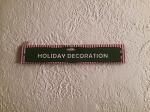
Dec 7: Possibly the best stamp I’ve ever received, from my twins in Finland. #DatAss http://ift.tt/1TSuBdx
Dec 7: Possibly the best stamp I’ve ever received, from my twins in Finland. #DatAss http://ift.tt/1TSuBdx
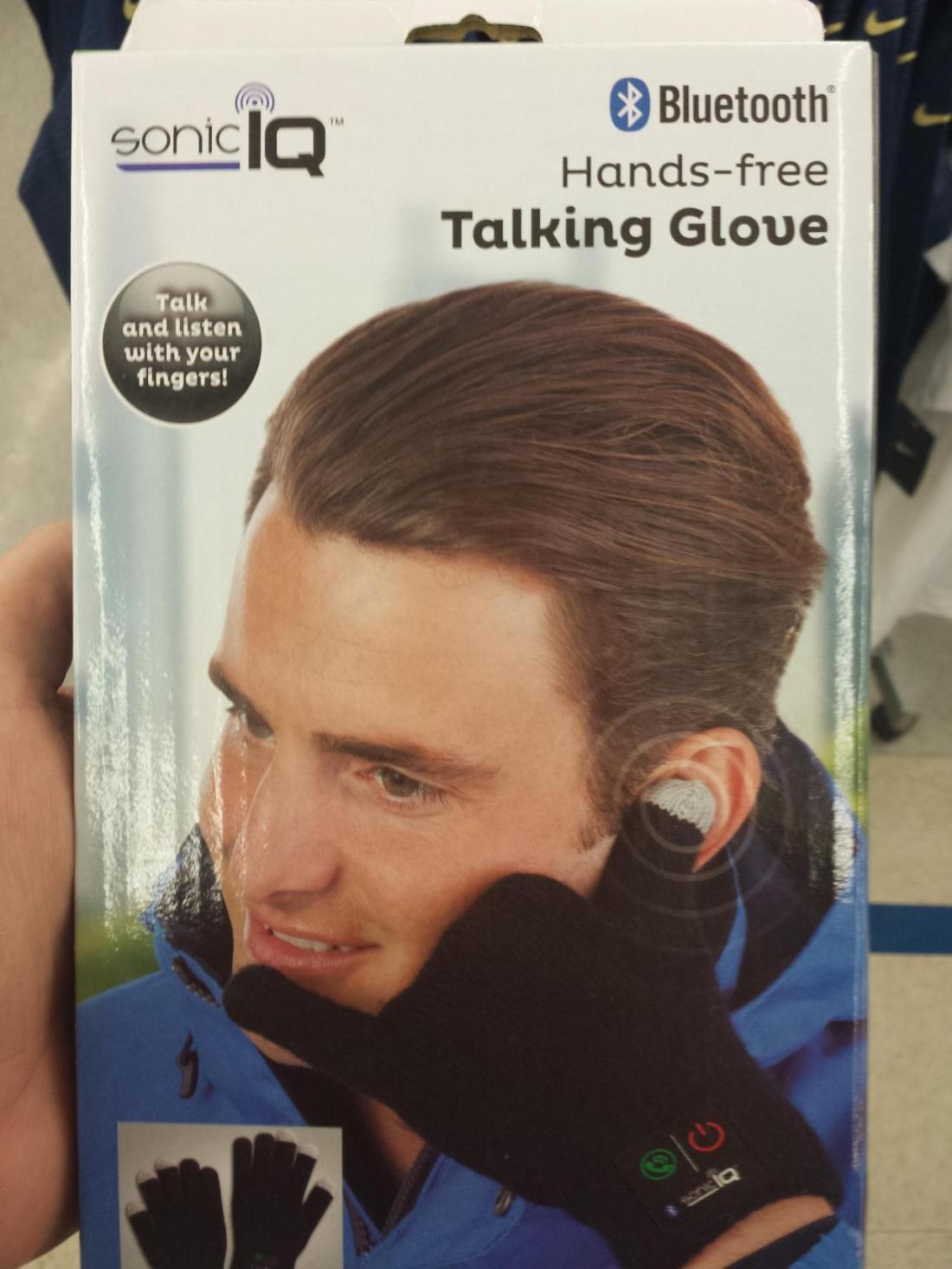
you used to call me on my hands-free talking glove
I’m just wondering how they can possibly market this as hands-free

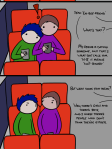
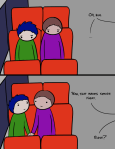
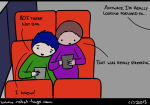
I remember this happening, really vividly, and I remember really trying not to listen in on the conversation because I just didn’t want to hear it if they started saying shitty or ignorant things, but once a stranger starts openly discussing your identity it’s really hard to tune out.
We were both sitting there, and we were both silently trying to decide what to do if this person started saying awful, transphobic, shitty stuff, because that’s the tone of about 75% of idle conversations around non-binary genders. Should we politely interrupt? Should we ask them not to say insulting things? Should we just sit there quietly, letting their words cut us up?
And then, magically, it just resolved. They didn’t get everything right, but that’s ok. They did really well.
Privilege is holding a socially undisputed, valid identity – one that people don’t debate the ‘realness’ of. It was really nice to hear someone learn about my gender and not decide to have ‘an opinion’ on it, but to just accept it. It was really nice.
I guess the other part of this is: if you’re in public space and you find yourself discussing identities, orientations, genders… identities that you don’t personally hold, remember that we share that space with you, and you might be talking about someone just a few metres away. It’s not an abstract discussion for us, so be kind. We’re rooting for you.
You can lead a horse to water.
You can leave your horse behind.
Because your horse don’t dance and if he don’t dance then he’s no horse of mine
https://vine.co/v/hqrbYmwVwia/embed/simple//platform.vine.co/static/scripts/embed.js
been trying to find this video for years
THE DOG
A lot of the advice I got about learning to enforce my boundaries was framed as an adversarial thing. Like, ‘yes, it might upset and disappoint the people around you, but you have to learn to tell them ‘no’ anyway.’ At best, ‘good people will still like you if you enforce your boundaries’.
What I wish I’d been told is that good people will think it’s awesome that you enforce your boundaries, that there are people who will respect the hell out of you for it, that there are people who will admire you not despite you telling them no, but because of it. That most people don’t want to make you do something you don’t enjoy,and so they’ll actively be happier and more relaxed around you if they know they can trust you to decline to do things you don’t enjoy and to ask them to stop things that bother you.
It helped me a lot, personally, to stop thinking of ‘enforcing my boundaries’ as something I did for me and more as something I did to empower the people I was close with, to build a situation where they and I felt sure everything that was going on was something we all wanted.
Most advice isn’t good for everyone and this advice seems maybe bad for people in abusive situations, because sometimes you do need to learn to enforce boundaries against people who will try to violate them. But if there are other brains like me out there: your partner will be really happy you can say no to them. your friend will be really happy you change the subject when you hate it. your roommate will really appreciate that you tell them to turn down the music. most people will feel safer and more comfortable around you if they know you’ll reliably express your needs, AND they’ll feel better about voicing theirs.
Being “anti-PC” is not sticking it to the Man, it’s sticking it to all the people whom the Man routinely stomps on.







 callanswall